

Subject: The Melanin Memo: homecoming, rising costs, measles, and the gap after awareness
Bliss Collective,
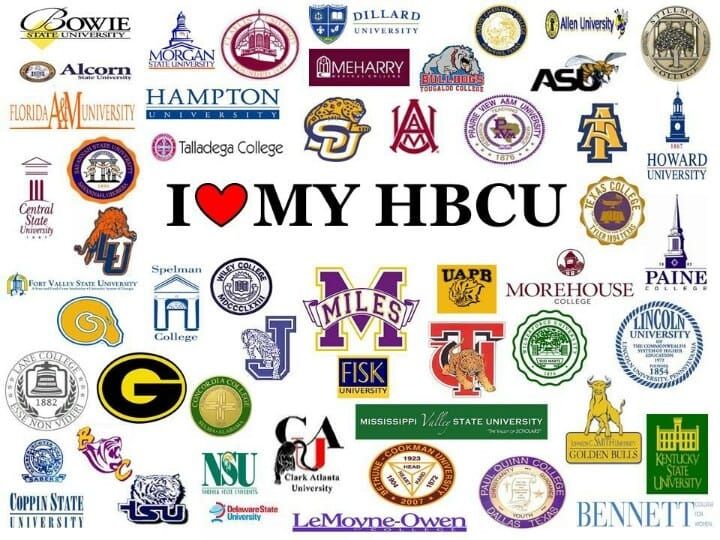
LISTEN... HBCU Homecoming, a time was had. Now back to Business.
There is celebration, community, and movement. There is also the cost of getting through the week, the strain of navigating systems, and the question that keeps surfacing across health, policy, and culture: what happens after the headline, after the campaign, after the promise? At Melanin Bliss, we treat information as care.
Let’s get into it.
Hustle
The latest inflation picture still matters because affordability is not a headline problem it is a daily-life problem. The Bureau of Labor Statistics reported that the Consumer Price Index rose 0.6 percent in September and 3.7 percent over the previous 12 months, with gasoline accounting for more than half of the monthly increase.
That means even when one part of the basket eases, families can still feel pressure across transportation, housing, food, and care. A national inflation number does not tell us exactly what any one household is facing, but it does tell us the squeeze is not imagined.
For MB, the useful question is not simply whether prices are up. It is what gets postponed when the cost of living and the cost of care compete inside the same budget.
Blueprint Politics
Election season keeps producing language about relief, access, and investment. The real policy question is still the same: who has the authority to make the change, what is the funding source, and how will the public know whether implementation actually happened?
That same implementation question is showing up in healthcare, too. Current Marketplace timing matters because people are already preparing for the next coverage cycle, but the October CPI release itself is not due until November 10, which means some “current” economic commentary is still relying on September data.
MB’s political lens is simple: a proposal is not a result, and an announcement is not the same thing as access.
Health
The measles outbreak continues to expand. CDC reported 4,410 confirmed measles cases in the United States as of October 15, 2026, and said the data reflect reports received by noon that Thursday.[cdc]
That number matters on its own, but the more useful public-health question is whether people can actually get clear information, preventive care, and timely follow-up in the communities most affected. A case count is surveillance; access is the deeper story.
This is also where October’s awareness messaging should keep evolving. Whether we are talking about domestic violence, breast-health communication, or disability access, the message cannot stop at “know the signs.” The harder and more useful question is what support becomes available once someone does.
Heart
Domestic violence is still too often reduced to physical injury, when the actual pattern of harm can include surveillance, coercion, and financial control. That is part of why MB keeps returning to the distinction between awareness and access: naming a problem is not the same thing as creating a usable path to safety.
The public-health dimension matters because the effects of abuse do not end with a single incident. They can shape mental health, housing stability, financial security, family life, and someone’s ability to move through institutions that were supposed to help.
One of the questions worth carrying into this week is whether a healthcare or community setting is prepared to respond in a way that is private, informed, and actually useful.
Knowledge
One thing worth remembering this week: “current” data does not always mean complete data. The BLS inflation release that shaped the weekend conversation is based on September prices, and CDC’s measles count reflects reports received as of a specific October 15 reporting point
That does not make the data unhelpful. It means readers should pay attention to what a number measures, when it was collected, and what it cannot answer by itself.
That is part of treating information as care. Context protects people from reacting to numbers as if they explain everything.
Culture
Howard University’s 2026 Homecoming closed out a major weekend built around lineage, legacy, service, and one of the most recognizable HBCU cultural traditions in the country. Howard’s official schedule ran October 11 through October 18, with the Howard–Morehouse game on October 17 positioned as one of the centerpiece events.[homecoming.howard
That game renewed a historic rivalry and brought thousands of alumni and supporters into a shared cultural space. Howard defeated Morehouse 31–17 on Saturday.[howard +1]
But homecoming is about more than nostalgia. It is also about network, memory, mentorship, and what becomes possible when people return with resources, relationships, and perspective. For MB, the story is not just who showed up. It is what gets carried forward after the weekend ends.
Afro Pulse
Across the diaspora, one of the most important recurring questions is ownership: who owns the value created by our communities, our talent, our ideas, and our cultural labor? That is the thread connecting policy, business, education, and art.
Homecoming itself can be read through that lens. It is not only celebration; it is a live example of Black institutional power, intergenerational connection, and cultural memory that continues to generate value far beyond one campus weekend. Howard’s official homecoming framing emphasized lineage, legacy, truth, and service, which is worth sitting with as a diaspora story, not just a campus event.[homecoming howard
MB should keep asking what happens when those gatherings become more than symbolic: who gets hired, funded, mentored, published, protected, or introduced because the room existed?
The Back Office
This week’s back-office reminder is simple: deadlines and documents matter, but so does timing. The BLS has already scheduled the October 2026 CPI release for November 10, which is a good reminder that many systems move on reporting calendars, not the pace of public conversation.
That same logic applies to health insurance, appointments, authorizations, referrals, and every other part of the administrative side of care. A date on the calendar is not trivial. It often determines what information is available, when a decision gets made, and who is left waiting.
That is why The Back Office matters. Systems shape outcomes long before many people see the paperwork.
What MB Is Watching
This week, MB is watching:
• What affordability actually means beyond a monthly inflation headline.
• How institutions explain access during a growing measles year.
• What support pathways look like after domestic-violence awareness messaging.
• How HBCU homecoming energy can translate into relationship-building, opportunity, and sustained visibility.
The question moving through all of it is the same one MB keeps returning to: after the headline, after the event, after the awareness post what happens next?
At Melanin Bliss, we treat information as care.
Until Thursday.