
My Story
Inside the system
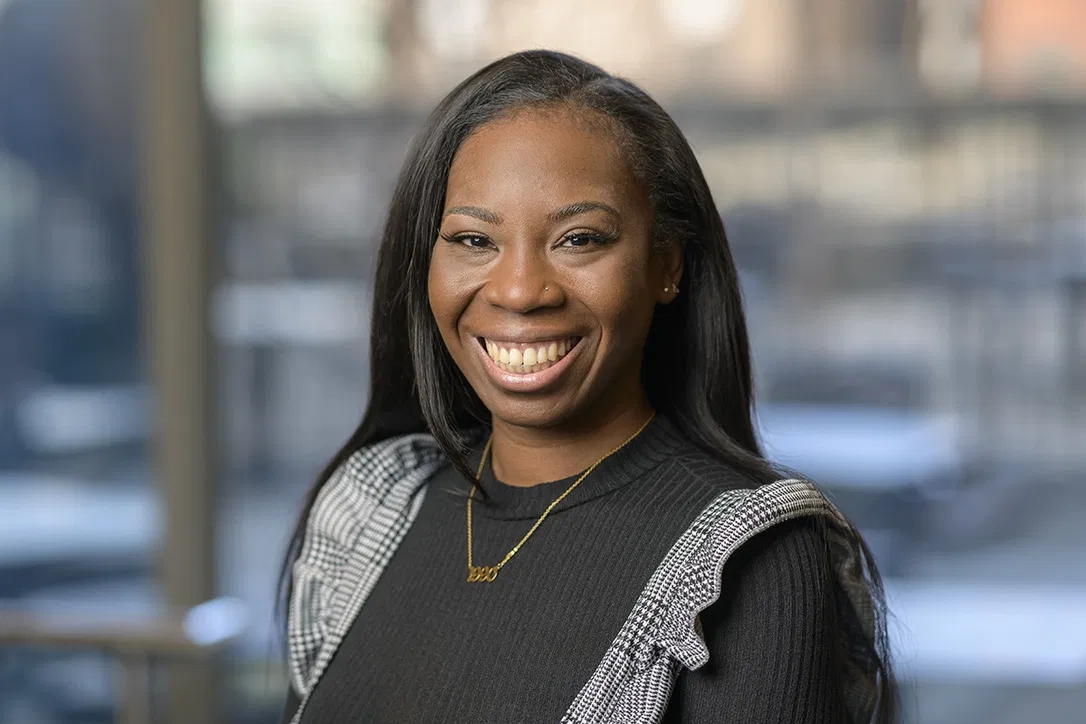
Amber K. McClendon has spent 15+ years inside the U.S. healthcare system as a clinician, administrator, and journalist. Her work spans community hospitals, palliative care, lab operations, three academic medical centers (Memorial Sloan Kettering, Weill Cornell Medicine, Cedars-Sinai), and the payer side at Anthem / AIM, often as the only Black woman at the table.
- Community hospitals
- Palliative care
- Lab operations
- Memorial Sloan Kettering
- Weill Cornell Medicine
- Cedars-Sinai
- Anthem / AIM (payer side)
The patient side
Her healthcare experience shapes the questions she asks: not only what a decision means on paper, but what it means for the person navigating the appointment, the bill, the policy, or the next step. She has been that person. In 2022, a car crash left her paralyzed. After emergency spinal surgery and a CRPS diagnosis, and dismissed by institutions like those she had served, she directed her own recovery.
On May 29, 2022, Amber was returning from a girls' trip. She fell asleep in the back seat of a car. Forty-five minutes later, she woke up paralyzed. There had been a car accident. She never saw it coming. She was the only person in the vehicle who was seriously injured.
What followed was an intense, complex surgery — her only option. And then the harder part: the recovery.
She was diagnosed with Complex Regional Pain Syndrome, a rare nerve condition with a poor prognosis. Most people who hear that diagnosis do not beat it. Amber beat it.
Not because the system served her the way it was supposed to. It did not. She experienced firsthand — inside the very industry she had given more than a decade of her professional life to — what it looks like when Black patients are not taken seriously. When pain is minimized. When serious medical errors and institutional failures put a life at risk and the professional knowledge she had spent years acquiring was not enough to protect her from the assumptions of the people treating her. She had to take over her own care. She had to use every clinical instinct, every administrative understanding, every piece of institutional language she had ever learned — and direct her own recovery.
Between herself, her pain specialist, and her physiatrist, she found her way back. She calls them her heroes. She means it fully. What they gave her was not just treatment — it was a model of what healthcare is supposed to be, and almost never is.
That question — asked from inside a body that had been through more than most people will ever face — became the intellectual and spiritual foundation of everything that came next.
She already knew medicine. She already knew operations. She already knew the business of medicine. She already knew administration. What she needed was to bridge all of it — for the patient. For the community. For the people navigating the same systems without anyone on the inside to tell them what was happening or what they were owed.
That is the turning point. That is where Melanin Bliss Media stopped being a mission and became an inevitability.