

Bliss Collective,
October is closing, but the conversations are not.
Not about domestic violence. Not about autism and the support people need across their lives. Not about men who need to know that breast cancer can affect them, too. And certainly not about what happens when the cost of staying healthy competes with the cost of staying housed, fed, and employed.
As November approaches, we are bringing those conversations together around one word: access.
Access to a ballot. Access to a paycheck that covers necessities. Access to coverage you can understand and care you can actually use.
You do not need to solve every problem this week. Start with the deadline, document, appointment, or conversation that matters most to your household.
Take a breath. Now, let’s get into it.
The Weekend Reset | What carries into Monday
Three developments frame this week:
• New York’s early-voting period began Saturday, October 24. It continues through Sunday, November 1, ahead of Election Day on Tuesday, November 3. In NYC, Monday’s early-voting hours are 9 a.m.–5 p.m.
• Friday’s consumer-sentiment release offered another sign of household strain: the University of Michigan’s final October index slipped to 48, while consumers’ expected inflation over the next year rose to 4.7%. These are measures of sentiment and expectations not the actual inflation rate.
• Marketplace enrollment for 2027 coverage opens Sunday, November 1. Medicaid has a different enrollment calendar, and major eligibility and reporting changes require their own attention.
The through line: people are being asked to make consequential decisions while managing very real financial pressure.
Hustle | The economy is not an abstract conversation
The household ledger
Here is the latest national snapshot not a prediction, and not a claim that every community is experiencing the same economy:
| Indicator | Latest reported figure | What to understand |
|---|---|---|
| Overall consumer prices | Up 3.7% from September 2025 to September 2026 | |
| The average consumer basket costs more than a year earlier. | ||
| Gasoline | Up 9.1% in September; up 34.2% over the year | |
| Gasoline accounted for more than half of September’s monthly inflation | ||
| increase. | ||
| Groceries | Down 0.1% in September; up 1.8% over the year | |
| A small monthly decline does not erase the higher year-over-year price | ||
| level. | ||
| Shelter | Up 0.4% in September; up 3.2% over the year | |
| Housing costs continued rising in the national index | ||
| National unemployment | 4.2% in September | Employers added 29,000 payroll jobs. |
| Black unemployment | 7.0% in September | |
| The Black unemployment rate increased even as the overall rate changed little. |
That grocery distinction matters. “Food inflation slowed” and “food is affordable” are not interchangeable statements. September’s grocery index edged down, but it remained above its level a year earlier. So does the employment distinction. A national unemployment rate of 4.2% does not describe the same labor-market conditions as a 7.0% rate for Black workers.
Sunday’s economic split screen
National Economic Council Director Kevin Hassett described the economy Sunday as “about the best economy we’ve ever seen.” Meanwhile, the national average gasoline price stood at $4.29 a gallon, according to AAA figures reported by The Hill. That was about 20 cents below a month earlier a decline, but still an important expense for households that depend on driving.thehill
MB’s question is not whether one headline sounds optimistic. It is whether people can afford the essentials after the bills are paid. As candidates make their closing arguments, we are looking for specific answers on transportation, housing, groceries, and healthcare not just competing descriptions of the economy.
MB’s economic lens
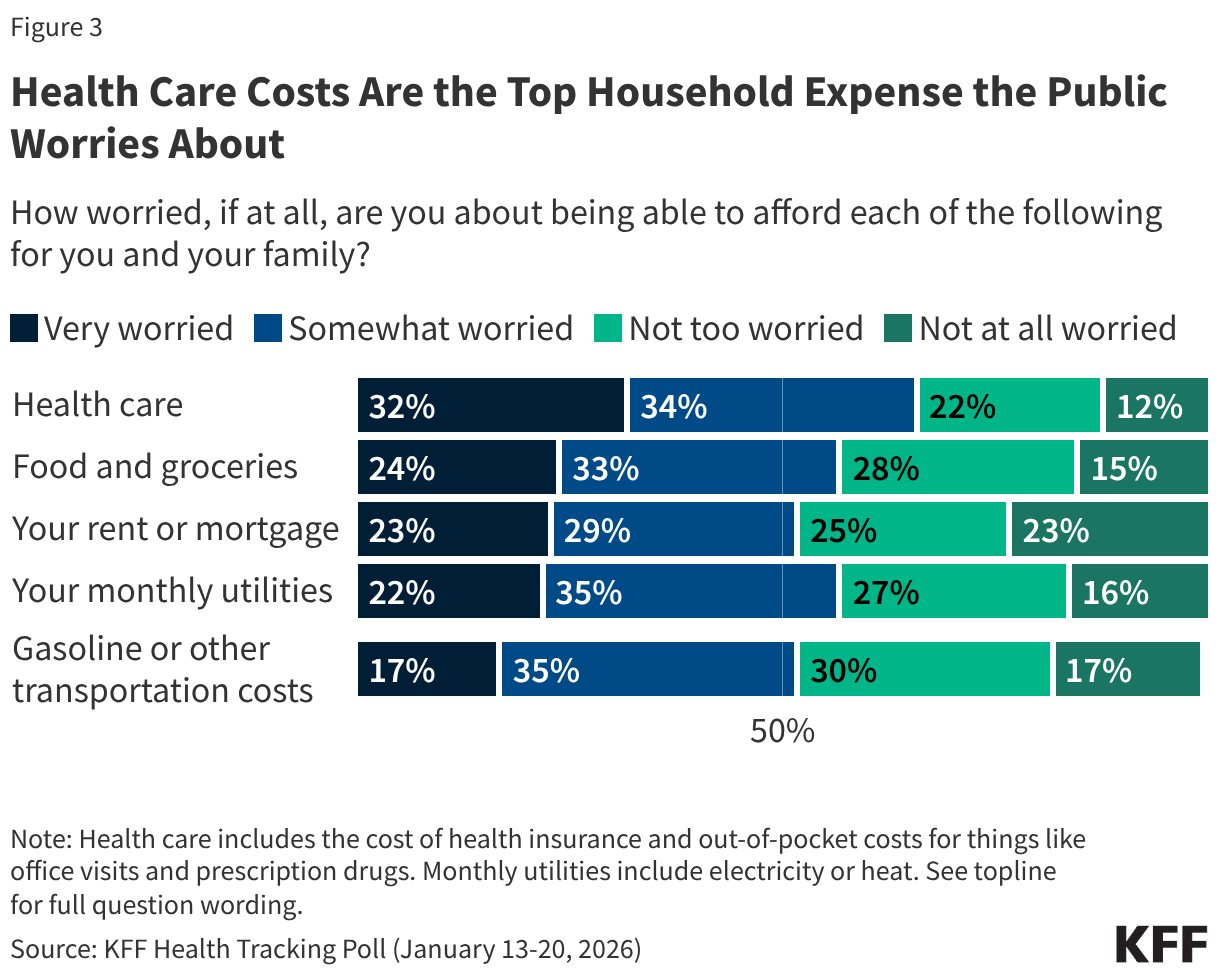
We are not interested in telling people to budget their way around every structural problem. We are interested in asking: What happens when transportation costs rise, work becomes less reliable, and keeping health coverage requires more administrative effort?
That is where our economics coverage meets our health-equity coverage. A job is not just income. A benefits notice is not just paperwork. And a missed deadline can become a household financial problem. This week, our accountability question is simple: Who is offering measurable relief and who is offering only a talking point?
Blueprint Politics | Put the household budget beside the ballot
Frustration with government deserves more than a campaign slogan in response. Our blueprint politics approach starts with the decisions government makes, the officials responsible for them, and the consequences households experience. Use these questions to evaluate candidates, campaign material, and public statements:
• Affordability: What specific policy would address housing, food, transportation, or utility costs? How would it be funded?
• Healthcare: What is the candidate’s position on Medicaid eligibility, coverage administration, and affordable insurance?
• Work: What would they do about wages, job access, predictable schedules, and the costs of caregiving?
• Safety: How would they support survivors of domestic violence beyond awareness messaging?
• Accountability: What can this office actually change and what requires another level of government?
A promise is not a blueprint. Look for authority, funding, implementation, and a way to measure results.
For The Movement x Voting
New Yorkers are already showing up
More than 165,000 votes were cast in New York City during the first two days of early voting, according to preliminary Board of Elections figures reported by City & State. That compares with 97,155 over the opening two days of the 2022 general election. The numbers show participation—not a prediction of the outcome.cityandstateny
Early voting continues through Sunday, November 1. For NYC readers voting Monday, October 26, polling hours are 9 a.m.–5 p.m. Confirm your assigned early-voting location before leaving home.vote+1
The closing argument is affordability. Ask for the details.
Childcare costs, housing, and household affordability were central to Sunday’s coverage of New York’s gubernatorial race as Gov. Kathy Hochul and challenger Bruce Blakeman made their final pitches.cbsnews
Our blueprint politics test remains the same: What is the proposal? Who qualifies? What would it cost? How would it be funded? And what can the office actually deliver?
For the Movement | Turn concern into a practical plan
A campaign promise becomes useful to voters when those questions have answers
This week’s community action does not have to be complicated:
1. Put your voting time on the calendar.
2. Check the correct polling location before leaving home.
3. Share verified election information not a screenshot with no date or jurisdiction.
4. Ask someone you trust whether they need help finding official voting information.
5. Keep a running list of the promises candidates make about costs, care, and community safety.
Participation should not end when a ballot is cast. Save the promise. Track the vote. Follow the budget.
That is the movement work we want to keep in view: not just getting people engaged, but making public decisions easier to scrutinize.
Healthcare is on the ballot and in the paperwork
Sunday’s campaign reporting underscored how closely healthcare affordability and Medicaid policy are tied to this election. Candidates are debating the consequences of federal coverage changes while households prepare to make their own insurance decisions.politico+1
That is why The Back Office of Care launches Thursday, October 29. We will follow the distance between a policy announcement and a person’s ability to keep coverage, understand a notice, reach an enrollment worker, and receive care.
Our reporting will ask not only what changed, but who must act, when they must act, and what happens when the system gets it wrong.
The Back Office | Our foundational new series launches Thursday, 10.29
Introducing The Back Office of Care
This Thursday, October 29th, Melanin Bliss Media formally launches The Back Office of Care our newest and most foundational reporting series.
A few articles have already been released early. Thursday marks the official introduction to the larger project: examining the systems between needing care and receiving it.
The forms. The eligibility decisions. The renewal notices. The insurance language. The administrative rules that can determine whether coverage becomes an appointment or another obstacle.Our focus is on what these systems mean for Black and Brown communities, low-income individuals and families, caregivers, and people navigating care with limited time or resources.
The premise is straightforward: understanding healthcare requires looking behind the exam-room door.
Why this launch matters now
November brings the start of Marketplace enrollment, while Medicaid changes are arriving on a separate timeline. Readers need to know which program they have, which rules apply, and what action is actually required.
Here are the distinctions to keep in view:
Marketplace coverage: enrollment opens November 1
HealthCare.gov currently lists these dates for 2027 coverage:• November 1, 2026: Open Enrollment begins.
• December 15, 2026: Deadline to enroll or change plans for January 1 coverage, with the first premium paid.
• January 15, 2027: Open Enrollment ends; enrollment after December 15 generally starts February 1, with the first premium paid.
State-run marketplaces can have their own schedules. New Yorkers should use NY State of Health for state-specific enrollment information rather than.
Medicaid: not the same enrollment window
People can apply for Medicaid and the Children’s Health Insurance Program throughout the year. November 1 is not an annual Medicaid enrollment opening. But year-round enrollment does not mean the rules are standing still.
CMS says states generally must implement new Medicaid work or “community engagement” requirements for certain adults by January 1, 2027. The rule applies to specified adult eligibility groups not every Medicaid enrollee. Qualifying pathways include work and other approved activities, and exemptions include certain caregivers, pregnant and postpartum people, and people with disabilities or qualifying medical needs.
In New York, state guidance says:
• Some adults ages 19–64 will face new work requirements beginning January 1, 2027.
• Some adults will move to six-month eligibility renewals, with transition timing depending on when they apply or renew.
• Some immigration-related eligibility changes began October 1, 2026.Readers should keep their contact information current and follow their individual notices.
These are not reasons to assume you have lost coverage. They are reasons to read your notice, confirm which category applies, and seek enrollment assistance when needed. New York also cautions that its guidance may change as federal rules are finalized.
The question driving our reporting
When someone loses coverage, what actually happened? Did their eligibility change? Did the system lack information? Was an exemption missed? Did a notice reach the wrong address? Was the person given a meaningful opportunity to respond? CMS’s rule requires a notice and a 30-day opportunity to demonstrate compliance or an exemption when a state cannot verify that a person meets the new requirement. That procedural detail will be central to our accountability reporting. The Back Office of Care will examine not only what a policy says, but how people experience its administration.
Men need this conversation, too
Men can develop breast cancer. Warning signs include:
• A lump or thickening in or near the breast.
• Nipple discharge, including bloody discharge.
• A nipple turning inward or changing direction.
• Dimpling, redness, scaling, or other unusual skin changes.
• Swelling near the underarm or collarbone.
These changes can have noncancerous causes, but they should be evaluated by a healthcare professional.
The prevention-and-awareness distinction matters: awareness is not a guarantee of prevention, and routine mammograms are not generally recommended for men. Symptoms and personal risk including family history should guide a conversation with a clinician.
Our message to the men in this community: an unusual breast or nipple change is worth bringing up. It is not something to dismiss because breast cancer is usually discussed as a women’s health issue.
Heart | Safety, seasonal depression, + the pressure to be “fine”
Domestic violence: the financial side belongs in the story
Domestic violence coverage cannot stop at physical injuries. Financial abuse can involve control over money and access to financial resources. Safety planning must account for a survivor’s circumstances, including whether a partner monitors accounts, devices, or communications. That is why “just leave” is not our editorial answer. We want coverage that takes safety, housing, money, and individual choices seriously.
The National Domestic Violence Hotline offers confidential support around the clock:
• Call 800-799-SAFE (7233).
• Text START to 88788.
• Use its online chat when safe to do so.
If you are concerned your internet use is monitored, the Hotline advises calling for support.
Seasonal depression: not a character flaw
Seasonal affective disorder is a form of depression with a recurring seasonal pattern. Winter-pattern symptoms can include oversleeping, increased appetite, low energy, and social withdrawal. It is not simply a dislike of cold weather, and holiday stress alone does not establish the diagnosis.
Persistent sadness, loss of interest, changes in sleep or appetite, and difficulty functioning deserve attention. A healthcare professional can help assess whether symptoms reflect seasonal depression, another form of depression, or a different concern. Treatments can include psychotherapy, medication, and clinician-guided light therapy.
If you are struggling or having thoughts of suicide, call or text 988. In a life-threatening emergency, call 911.
Our reminder as the holiday season approaches: you do not have to perform happiness to deserve support.
Knowledge | Autism belongs in the conversation all year
Autism coverage should not end with childhood or with an awareness campaign.
CDC reporting identifies needs and gaps in planning for the transition to adulthood, including healthcare, education, and access to services and supports across the lifespan.
Our continuing coverage will ask:
• Are autistic people helping shape the stories and policies that concern them?
• What happens to support when a student leaves school?
• How do families and autistic adults navigate coverage, employment, and care?
• Where do administrative requirements create barriers?
• Are we examining services and daily life or only repeating awareness language?
For families approaching a transition, ask the school and care team what the written plan includes, who is responsible for each step, and how healthcare and support will continue after school. CDC’s findings make clear why transition planning deserves sustained attention.
At MB, the goal is not a one month conversation. It is more useful, accountable coverage.
Culture | Make room for joy without creating another bill
Here is our editorial invitation for the holiday season: let celebration fit your life, not the other way around.
A smaller gathering can still be meaningful. A spending limit does not need an apology. Neither does declining an event that costs more money, energy, or emotional capacity than you can give.
For gatherings, consider:
• Agreeing on spending expectations before gifts are purchased.
• Making participation possible without a required purchase.
• Offering a quieter space and flexibility around activities.
• Letting people opt out of photographs or difficult conversations.
• Checking in privately instead of demanding a public explanation.
We want culture coverage that leaves room for beauty, connection, and pleasure without pretending everyone has the same resources.
Afro Pulse | Who is missing from the fine print?
Our diaspora lens this week begins with a local question: can people understand and act on the information that affects their care?
New York says some immigrant adults may be affected by Medicaid eligibility changes that began October 1. Its guidance identifies several potentially affected categories and says the state will notify affected enrollees and assess other coverage options. An individual’s situation matters; this is not a blanket statement that all immigrants are ineligible.
For Black immigrant communities and other diaspora readers, our reporting questions include:
• Are notices understandable and available in the languages people use?
• Can readers reach a qualified enrollment assistant?
• Do notices clearly distinguish a coverage change from the loss of all possible options?
• How are community organizations helping people respond?
Those are accountability questions not assumptions about what every household is experiencing.
What MB Is Watching | This week and what’s next
Monday, October 26
NYC early voting continues, with polls open 9 a.m.–5 p.m. Confirm your assigned site before heading out.
Throughout the week
We are keeping economics and blueprint politics together: what candidates promise about affordability, what their offices can actually do, and what those choices mean for care.
We are also continuing our conversations on domestic violence, autism, men’s breast-health awareness, and mental health beyond October.
Friday, October 30
The Back Office of Care officially launches. The early articles are the beginning not the full conversation.
Sunday, November 1
Marketplace enrollment for 2027 coverage begins on HealthCare.gov. New York’s early-voting period also ends that day. These are separate systems and separate tasks; put both on your calendar if they apply to you.
Tuesday, November 3
Election Day. In NYC, polls are open 6 a.m.–9 p.m.
Before You Go | Choose one concrete action
Make a voting plan. Check a coverage notice. Schedule an evaluation for a health change you have been putting off. Reach out to someone who may need a quieter kind of support.
Then share this issue with someone who needs the information not another reason to panic.
If you reply with a question for The Back Office of Care, leave out Social Security numbers, insurance identification numbers, and private medical records. Start with the barrier you want us to investigate.
October’s awareness conversations do not expire when the calendar turns. Neither does our commitment to following the money, examining the policy, and making the systems easier to understand.